Archive for the ‘divorce’ Category

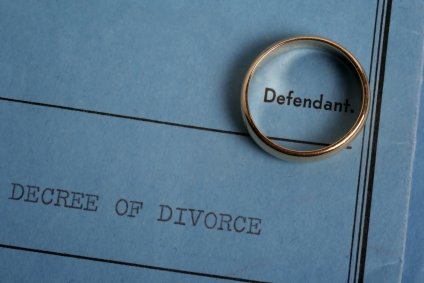
You Can’t Divorce Your Debt!

Wednesday, April 8th, 2009

Yes, your spouse is the one who used the credit cards. Yes, your spouse got the house in the divorce. Yes, you each kept your own cars and you’ve both been making the payments.

His / her finances have nothing to do with you and haven’t for a long time. Right?

Wrong. Not unless your divorce included closing all your joint accounts and opening new ones in your individual names. Just because your divorce decree said that one spouse was responsible for this debt and the other spouse responsible for that one, as far as your creditors are concerned you’re both responsible.

Why? Because they can. If you both signed the application forms for credit cards, you’re both on the contract and you’re both liable.

Therefore, if your spouse has suddenly stopped making those payments, the black mark will show up on your credit report, and the creditors will come looking for you to make the payments.

To be removed from a joint account, you need to cancel the account. Not a good thing for your credit scores, but necessary if you really want to sever that tie. I suggest doing it immediately after a divorce rather than waiting until there’s a problem. Remember, you’re liable for all charges on the account as long as you remain a joint account holder.

You say you didn’t sign the application – your spouse had that credit card when you married and you were just added as an authorized user after the marriage. In that case, you won’t be liable for the debt, but the default will still show up on your credit card.

For several years FICO stopped factoring authorized user status into credit scores. Since becoming an authorized user on an account was helping people raise their scores, some crafty entrepreneurs began selling such use. When FICO realized what was happening, they put a halt to it.

But now they believe they’ve figured out how to filter out any bogus users and they once again factor it in. That’s wonderful if you’re a youth trying to piggyback your parent’s good credit to build your own – not so wonderful if your X-spouse is not paying his or her bills.

The owner of the account can contact the credit card issuer and ask to have an X-spouse removed as an authorized user. If he or she refuses, you can file a “not mine” dispute with the credit bureaus. Remember that it will take them at least 30 days to act, so if you need to do this, get started.

Then there’s your home mortgage. As with credit cards, the mortgage holder is not going to let you off the hook just because it was awarded to your spouse in the divorce decree and you haven’t lived there for 6 years. They won’t even care if you’re not on title – as long as you’re on the contract.

Some believe that signing a quit claim deed to the spouse absolves them of responsibility – but it just isn’t so. If your spouse lets that house go into foreclosure, your credit score will be equally harmed.

If you’re divorced, play it safe. Order your free credit report today and find out if your X-spouse’s activities are still being reported on your credit file. Do it now, before you need credit and find that “you” are not a good credit risk.

Author:Marte Cliff
CreditScoreQuick.com your resource for free credit reports, credit cards, loans, and ground breaking credit news
Labels:

Credit and Divorce

Sunday, July 27th, 2008

Billy Bob and Sue got a divorce. The decree stated that Billy was responsible for certain joint credit card obligations. So Sue went on with her life not worrying about the credit card debt that was awarded to Billy Bob. Six months later Sue gets a call from the creditors wanting their money for the credit cards she forgot about. Sue told the credit card companies that those debts were awarded to her husband in a divorce decree. The creditor stated that they were not involved in the decree and she was still legally obligated to pay the joint accounts. Sue later found out that late payments appeared on her once spotless credit report.

If you are going through a divorce or contemplating on going through one-you might want to take the time to understand credit and the issues that can arrive as a result of a divorce. Most attorneys don’t explain what could happen if the other party does not pay a bill on a account attached to your social security number.

There are two types of credit accounts.
• Joint Accounts
• Individual

If you are getting ready to apply for credit whether it’s a credit card or a mortgage loan you will be asked to state whether the account is joint or individual.

Joint Credit Accounts Your income, financial assets, and credit history – and your spouse’s – are considerations for a joint account. No matter who handles the household bills, you and your spouse are responsible for seeing that debts are paid. A creditor who reports the credit history of a joint account to credit bureaus must report it in both names (if the account was opened after June 1, 1977).

Advantages/Disadvantages: An application combining the financial resources of two people may present a stronger case to a creditor who is granting a loan or credit card. But because two people applied together for the credit, each is responsible for the debt. This is true even if a divorce decree assigns separate debt obligations to each spouse. Former spouses who run up bills and don’t pay them can hurt their ex-partner’s credit histories on jointly-held accounts.

Individual Account: Your income, assets, and credit history are considered by the creditor. Whether you are married or single, you alone are responsible for paying off the debt. The account will appear on your credit report, and may appear on the credit report of any “authorized” user. However, if you live in a community property state (Arizona, California, Idaho, Louisiana, Nevada, New Mexico, Texas, Washington, or Wisconsin), you and your spouse may be responsible for debts incurred during the marriage, and the individual debts of one spouse may appear on the credit report of the other.

Advantages/Disadvantages: If you’re not employed outside the home, work part-time, or have a low-paying job, it may be difficult to demonstrate a strong financial picture without your spouse’s income. But if you open an account in your name and are responsible, no one can negatively affect your credit record.

With divorce being a common problem these days make sure you get joint accounts that your spouse is responsible for out of your name. If you don’t it could affect you down the road if they decide not to pay the bill.

Author:Mike Clover
CreditScoreQuick.com is your resource for free credit score reports, fico scores, loans, credit cards, insurance , identity theft protection and credit repair advice.

Credit Report after Divorce Q & A

Monday, July 7th, 2008

Q:
Hi Mike,
I have recently decided to divorce my husband. We have lots of debt together on our credit report. I have read some of you great articles about your credit during a divorce. I want to make sure that my credit scores don’t suffer because of this divorce. We currently have about 3 credit cards that are joint accounts. We also have a house we both or on the note as well. I am really concerned that he might stop paying on some of the obligations which will affect my good credit rating. What do you recommend?

Jenni Braco

A:
Hi Jenni,
I am sorry to hear about the divorce. The first thing you need to do is make sure the divorce attorney forces the husband to get all debts he is reasonable for out of your name. If he is late on an obligation I can assure you it will affect your good credit score report. This is only applies to joint accounts that he is responsible for. Even though the divorce decree might state he is responsible for the debt, if he is late on an account that has your social attached to it, your good credit will suffer. This is a common problem out there; also I would recommend selling the house if it’s awarded to him, or suggest that he refinance the house. Bottom line you don’t want any obligations in your name that he is responsible for. If you were responsible for paying the bills and feel he might be late on something, I would foot the payments until everything is out of your name that he is responsible for.

Mike Clover
CreditScoreQuick.com

About the Author: Mike Clover is the owner of http://www.creditscorequick.com/. CreditScoreQuick.com is the one of the most unique on-line resources for free credit score report, fico score, free credit check, identity theft protection, secured credit cards, student credit cards , credit cards, mortgage loans, auto loans, insurance, debt consolidation ,and a BlOG with a wealth of personal credit information. The information within this website is written by professionals that know about credit, and what determines ones credit worthiness

Avoid Credit Card Nightmares during Divorce

Friday, May 23rd, 2008

Here are some steps to divide credit card debt during a divorce so your credit report is not affected.

Step 1: If you don’t have any credit cards go ahead and apply for one now. You will need to transfer some of the balances on the accounts you may have jointly.

Step 2: Get all your credit cards in you purse or wallet, pull a recent copy of your credit score report to see what accounts are jointly held.

Step 3: Call the credit card companies to verify the current credit card balances, and write all of them down.

Blue Cash® from American Express

Step 4: Set up a meeting with your spouse if possible, and discuss how to handle credit card debt. If yiou have the cash it might be easier to pay off the credit card debt, and remove any joint names.

Step 5: Go ahead and set up a credit report monitoring service or make plans to pull your credit report about every two months with Experian, Equifax, and TransUnion to ensure that everything is being reported correctly. Also to ensure that you’re soon to be ex-spouse is not charging up credit cards, and opening up new accounts. Divorce can be ugly and identity theft can happened with ex family members.

Step 6: If you and your ex-spouse cannot come to terms on credit card debt, yiou might consider a financial planner. If all else fails get the attorney involved.

Step 7: If you are the one moving out of the house, notify the credit card companies immediately of your change of address, so you get your credit card statements.

Step 8: However you get matters negotiated, make sure you stay on top of matters, its very common for credit to go south during a divorce. You want to avoid that if at all possible.

Step 9: After you divorce make sure you continue credit monitoring and pulling your credit report about every two months. That way you are not blind sided with issues that could be the result of a ex-spouse.

About the Author: Mike Clover is the owner of http://www.creditscorequick.com/. CreditScoreQuick.com is the one of the most unique on-line resources for free credit score report, fico score, free credit check, identity theft protection, secured credit cards, student credit cards , credit cards, mortgage loans, auto loans, insurance, debt consolidation ,and a BlOG with a wealth of personal credit information. The information within this website is written by professionals that know about credit, and what determines ones credit worthiness.

Divorced Credit Report Q & A

Thursday, May 22nd, 2008

Your Credit Report can be affected in a negative way during divorce. I see this all the time, credit report littered with slow pays, collections, and charge offs due to a separation. Don’t let your credit report suffer because of a divorce; it will take a while to clear it up if you do.


Q:
Hello I am going through a divorce currently, and we have accumulated debt together while we were married. I have excellent credit I believe, and I want to make sure it stays that way. My concern is some of the accounts we are joint users on is being awarded to my husband. He is not that responsible, I have always taken care of the bills. The attorney is working on the divorce decree that states certain obligations are his responsibility including the house. My question is will this debt still show up on my credit report even though the decree states those debts are now his responsibility?

Carly Simon
San Francisco, California

A:
Carly this is a great question and a “BIG” problem out there today. Divorce is one of the biggest ways to discover credit report problem after the fact. Most think that the divorce decree will erase debts with creditors. This is simply not true. If the account is joint, even though the decree says the other party is responsible for that debt, if the other party has a slow pay your credit score report is affected. This is simply because your social security number is still attached to the obligation. So yes, if your husband is late on any of the obligations that you are on as well, your good credit report with suffer greatly as a result. My advice would be to have the attorney draw up the divorce decree correctly by stating your husband has so many days to refinance the house out of you name, and get any obligations like credit cards, car notes, etc….. out of your name. This way your credit is not affected down the road.


About the Author: Mike Clover is the owner of http://www.creditscorequick.com/. CreditScoreQuick.com is the one of the most unique on-line resources for free credit score report, fico score, free credit check, identity theft protection, secured credit cards, student credit cards , credit cards, mortgage loans, auto loans, insurance, debt consolidation ,and a BlOG with a wealth of personal credit information. The information within this website is written by professionals that know about credit, and what determines ones credit worthiness.

How Debt after a Divorce will affect your Credit Score

Tuesday, April 15th, 2008

We all know how important it is to have as high a Credit Score these days. Especially since your credit score is no longer a secret anymore. Divorce is all too common in today’s society, and when Divorce Decrees are drawn up, the attorney forgets to make sure debts that are joint accounts are only in the person’s name that is awarded that debt per the decree. Typically what the divorce decree will say is whom is awarded what debt. Here is how this is a problem.

How debts after divorce will affect you:
Let’s assume while you were married you and your significant other had accumulated some debt that are joint accounts. This means that both of your social security numbers are attached to the obligations and its being reported to all 3 credit bureaus. So once day you both decide to get a divorce and the attorney works up a Divorce Decree like they normally do, which of course is the wrong way. Both of you go on your marry way, and the other party decided to be late on a obligation that is reporting in your name still. Guess what happens to your credit score. Your score just dropped 150 points. This is a common problem, and of course now it’s your problem even though you have a debt that was awarded to the other party per decree. Let’s assume it’s a house, and your ex decides to let the house go to foreclosure. Now you cannot buy a home for 3 years because you have a foreclosure on your credit report. So basically a divorce decree is a agreement between divorcing couples, it does not separate liabilities.

What you need to do so you’re Credit Score is not affected:
Divorcing couples should never rely on the other spouse to pay bills that were awarded to them per Decree. This is a disaster waiting to happen. These type of issues need to be tackled up front so there is no issues once the divorce is final. If you have already made this huge mistake, my suggestion would be to go back to court and get these debts out of your name. If there is a house involved, I would recommend getting the house refinanced out your name or sold depending on the situation. Obviously if the spouse is behind on the mortgage they would not be able to refinance due to the credit situation. In a situation where the ex spouse is behind on the mortgage and its affecting your credit report, I would recommend going back to court and taking over the mortgage payment along with having the house awarded back to you. The solution to all of this is simple; make sure you don’t have debts in your name that gets awarded to ex spouse. Don’t let your ex spouse ruin your credit. If you have already made the mistake, I would recommend pulling a recent copy of your credit report with credit scores to make sure there is no damage done.

About the Author: Mike Clover is the owner of http://www.creditscorequick.com/. CreditScoreQuick.com is the one of the most unique on-line resources for free credit score report, fico score, Internet identity theft software, secured credit cards, student credit cards , mortgage loans, auto loans, insurance and a BlOG with a wealth of personal credit information. The information within this website is written by professionals that know about credit, and what determines ones credit worthiness

You’re Credit Report during a Divorce- What to avoid

Wednesday, February 6th, 2008

I have seen credit reports get littered with collections, charge offs, foreclosures, late payments, and just a total disregard for obligations during a divorce. We all know divorce can be a bad experience for anyone that is going through it. There are times where everything is paid on time as well, but the divorce attorney does not know what will affect your credit report in the long run if the divorce decree is not drawn up properly. Here is what you need to know!

Get debts that are not your obligation per Divorce Decree out of your name:

During the process of drawing up the divorce decree make sure you get obligations out of your name that is no longer your responsibility. Make sure that in the decree it clearly states that the other party is responsible for getting obligations out of your name.

Examples:

  1. Mortgages; get them refinanced or sold.
  2. Credit cards that are joint accounts
  3. Land that are joint accounts
  4. Car notes that are joint accounts
  5. Any obligations that is joint, that is no longer your responsibility per decree.

This is a huge problem out there, getting divorce decrees drawn up properly. Let’s assume it’s done the wrong way, and the person that is responsible for paying the obligation is late on a payment or two. This particular account is a joint account with your social attached to it. This means the obligations reports to the credit report in your name as well. You now have 2 late payments on your credit report, and you credit score just dropped 50 to 100 points. I am sure you can see why it’s important to get this process done correctly. Maybe there is a house that is in both of your names, and you are in the market to buy another house. Unfortunately the attorney did not put in the divorce decree to either sell the old house or refinance it out of your name. The mortgage is a FHA loan, and you only qualify for a FHA loan. Guess what, you cannot have two FHA loans. Now you cannot buy a house. I am sure now you can see the importance of getting a good divorce attorney, and how they need to prepare your divorce decree properly. I see this problem all the time.

Conclusion:

I see this all the time, make sure your credit report is not affect as a result of a divorce. Matters could get worse if you don’t have obligations drawn up correctly during this unfortunate process.

About the Author: Mike Clover is the owner of http://www.creditscorequick.com/. CreditScoreQuick.com is the one of the most unique on-line resources for free credit score report, Internet identity theft software, secure credit cards, and a BlOG with a wealth of personal credit information. The information within this website is written by professionals that know about credit, and what determines ones credit worthiness.

Disclaimer: This information has been compiled and provided by CreditScoreQuick.com as an informational service to the public. While our goal is to provide information that will help consumers to manage their credit and debt, this information should not be considered legal advice. Such advice must be specific to the various circumstances of each person's situation, and the general information provided on these pages should not be used as a substitute for the advice of competent legal counsel.